>
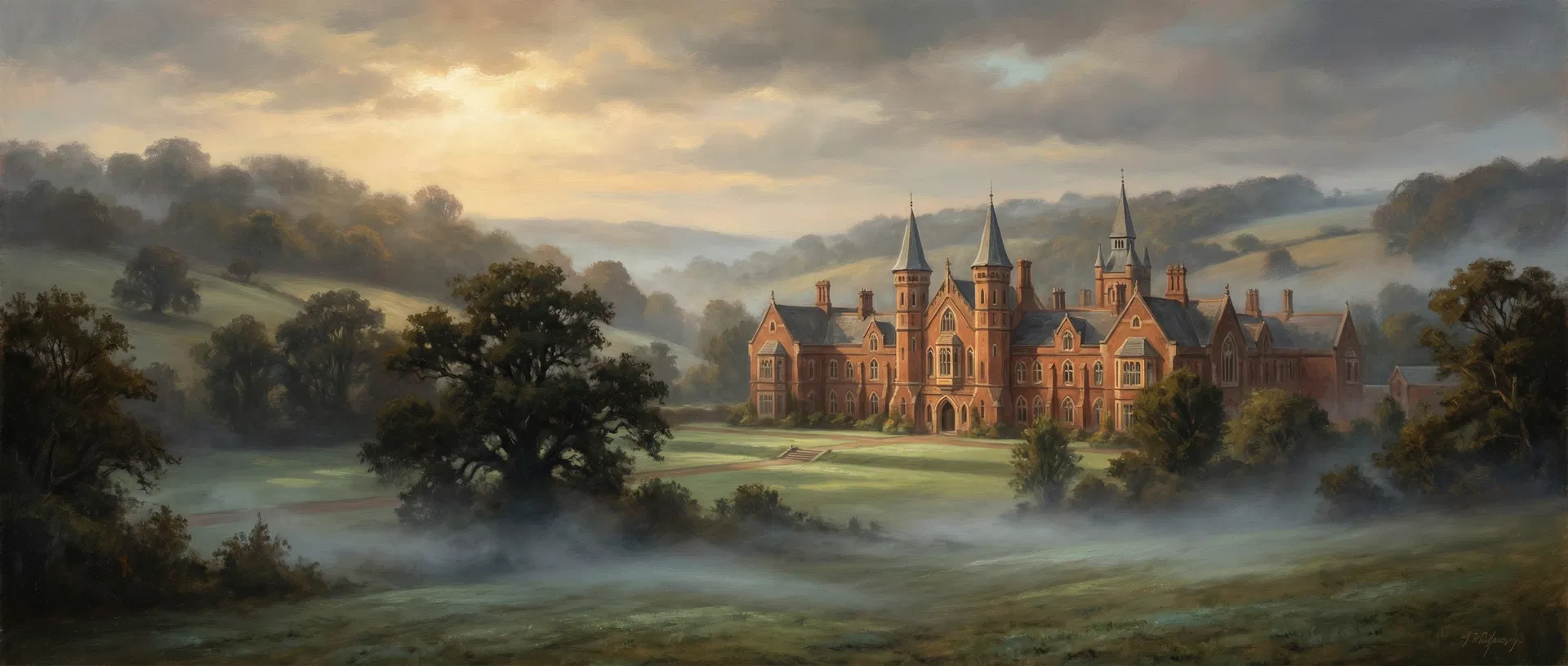
Royal Earlswood Asylum in the misty Surrey countryside

Redhill, Surrey · 1847 – 1997

Royal Earlswood
Asylum

The first institution in the British Isles dedicated to the care and education of people with developmental disabilities. Explore 150 years of pioneering history through an interactive timeline.

The Origins

A Vision Born of
Compassion

In 1847, Ann Serena Plumbe took an interest in the plight of those with developmental disabilities. Together with Dr. John Conolly and the philanthropist Rev. Dr. Andrew Reed, they determined to create a dedicated institution — the first of its kind in the British Isles.

Reed toured institutions across France, Switzerland, and Denmark, becoming convinced that specialised care and individual attention could help those previously deemed "uneducable." The project began with the founding of the Asylum for Idiots in 1847.

The first patients were admitted to Park House in Highgate in April 1848. But the building quickly proved too small, and a grander vision was needed.

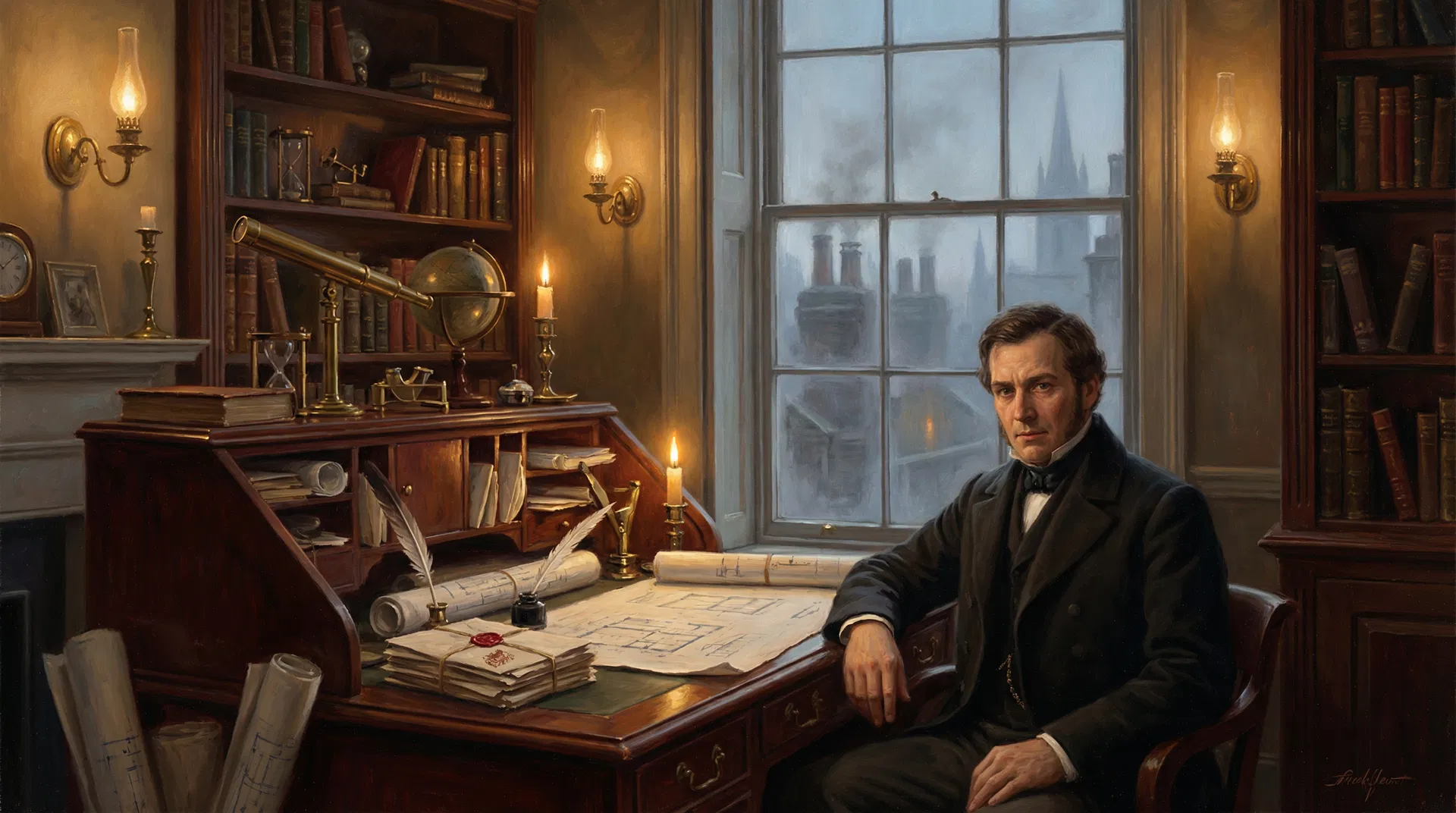
A Victorian study with architectural blueprints, representing the founding vision

The Founding Vision

1847

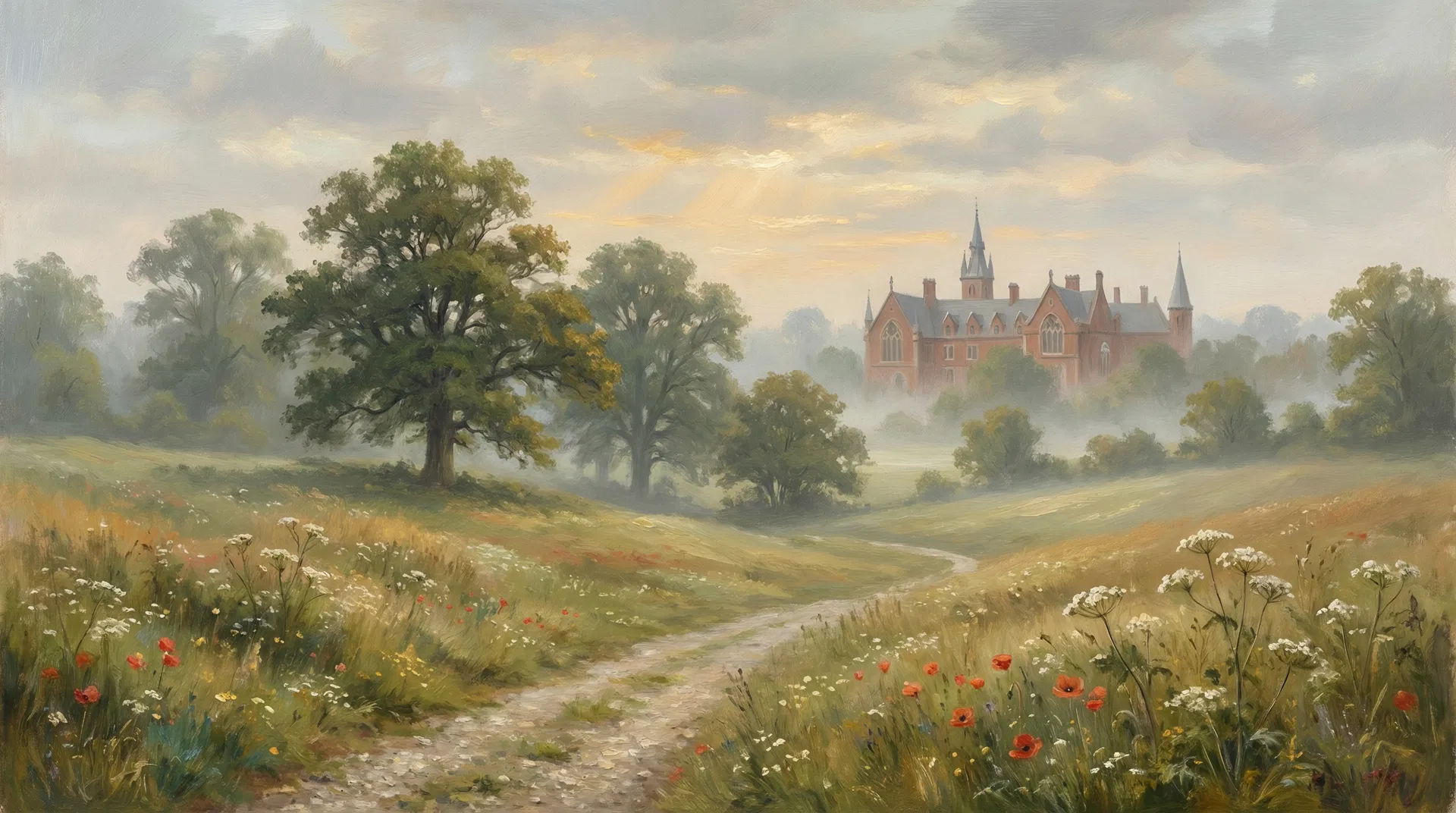
The expansive grounds of the asylum in the Surrey countryside

155 Acres at Earlswood Common

1850

In 1850, a 155-acre site was purchased at Earlswood Common near Redhill. Queen Victoria subscribed 250 guineas in the name of the Prince of Wales, who became a life member of the charity.

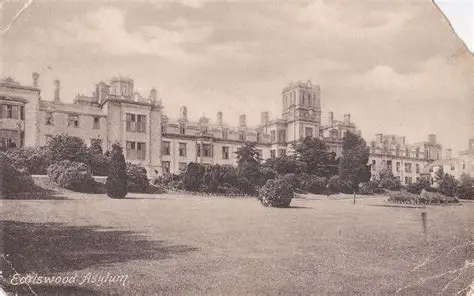
Architect William Bonython Moffat designed the asylum in a grand Tudor-Gothic style. Prince Albert laid the foundation stone in June 1853 and opened the asylum in June 1855.

The site included workshops, a farm, and extensive grounds, allowing the institution to be largely self-sufficient. Residents were encouraged to engage in tailoring, shoemaking, and farming as part of their "industrial training."

150 Years of History

An Interactive Timeline

Search and filter through the key events that shaped Royal Earlswood Asylum across its remarkable history.

The People

Notable Figures

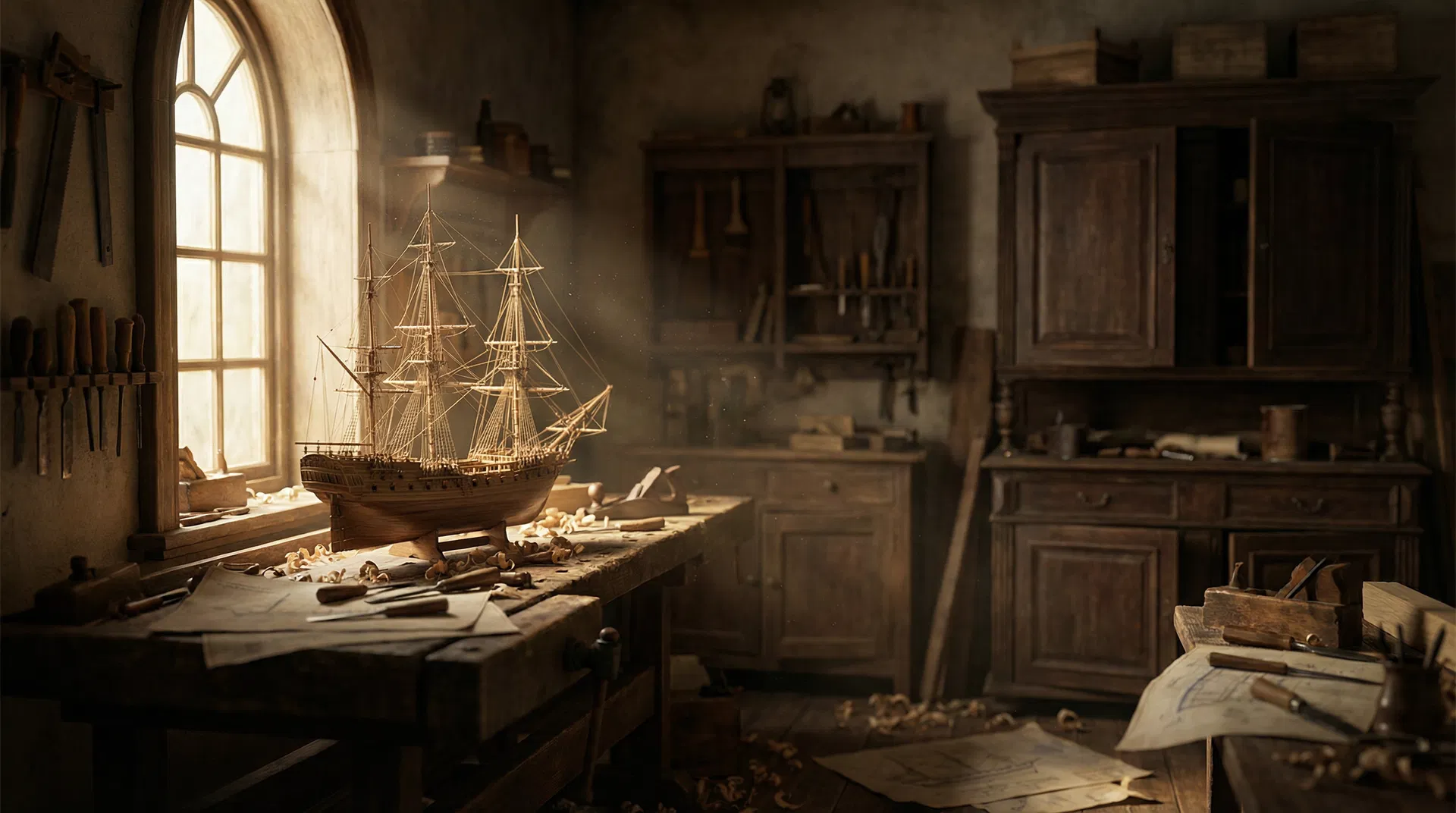
A Victorian workshop with an intricate ship model, representing Pullen's workspace

The Workshop

Where Genius Found Expression

1835 – 1916

James Henry Pullen

The Genius of Earlswood Asylum

Perhaps the most famous resident, Pullen was a master craftsman and artist who spent most of his life at Earlswood. Despite being diagnosed as an 'idiot savant,' he was given a private workshop where he created extraordinary models.

His masterwork, the 'Princess Alexandra,' was a 10-foot-long model steamship with intricate internal machinery and over a million tiny wooden pins. It won a bronze medal at the 1867 World Exhibition in Paris.

His creations won prizes at international exhibitions across Europe.
Read Full Story

1828 – 1896

Dr. John Langdon Down

Medical Superintendent, 1855–1868

The renowned physician served as the first medical superintendent of Earlswood. During his thirteen-year tenure, he conducted the groundbreaking research that led to the identification of the condition now known as Down's Syndrome.

He was a progressive reformer who advocated for the humane treatment and education of his patients, believing in their capacity for improvement through structured care and attention.

His research at Earlswood changed the understanding of developmental disabilities worldwide.

1787 – 1862

Rev. Dr. Andrew Reed

Founder and Philanthropist

A Congregationalist minister and tireless philanthropist, Reed founded the Asylum for Idiots in 1847 after touring institutions across France, Switzerland, and Denmark. He had already established three charities for orphans.

Reed became convinced that specialised care could help those previously deemed uneducable. He raised funds, wrote hymns, and campaigned against slavery — a man of extraordinary moral conviction.

He founded the first institution in the British Isles dedicated to developmental disability care.

A Royal Secret

The Bowes-Lyon Sisters

In 1941, Nerissa and Katherine Bowes-Lyon, nieces of the Queen Mother and first cousins of Queen Elizabeth II, were placed in the hospital. Their presence was kept largely secret from the public for decades, a poignant reminder of the stigma that surrounded developmental disabilities even within the highest echelons of British society.

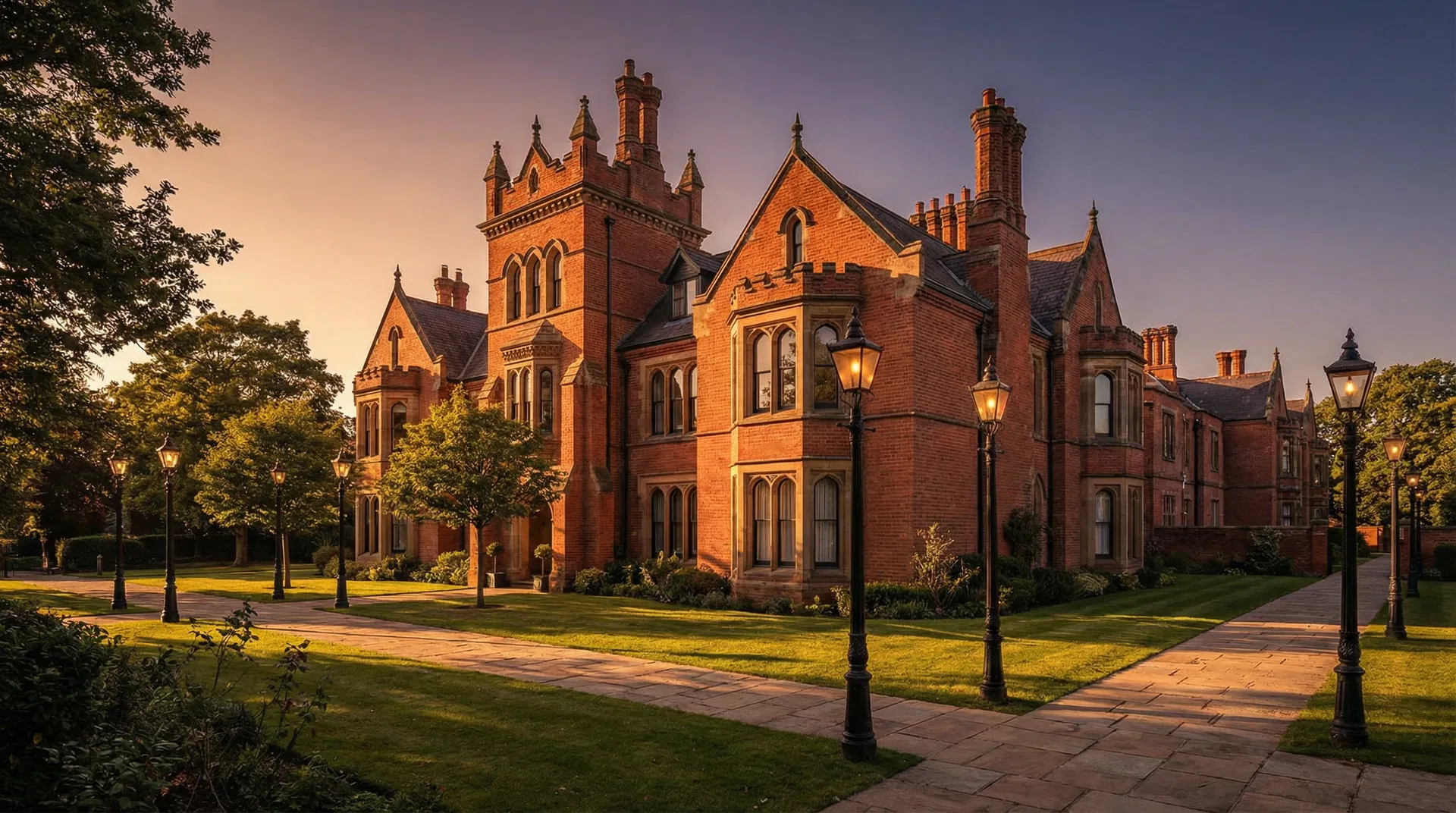
The restored Victorian buildings of Royal Earlswood Park at golden hour

After 150 Years

Closure & Legacy

Care in the Community

With the shift toward Care in the Community in the late 20th century, large institutions like Royal Earlswood became obsolete. The hospital went into a period of decline and closed its doors in March 1997, after 150 years of continuous operation.

The remaining patients were relocated to community-based care settings, marking the end of an era in institutional care for people with developmental disabilities.

Royal Earlswood Park

The site was subsequently redeveloped into Royal Earlswood Park, a luxury residential development. The main Victorian buildings were carefully restored and converted into apartments, preserving the Grade II listed architectural heritage.

The Royal Earlswood Museum, which once housed Pullen's works and historical records, closed in 2012. Its collection was donated to the Langdon Down Museum of Learning Disability in Teddington, ensuring the legacy endures.

1847

Founded

1997

Closed

150

Years of Service

155

Acres of Grounds

Historical sepia photograph of Earlswood Asylum showing the grand Tudor-Gothic façade and manicured grounds

Earlswood Asylum — Original Photograph

Preserving the Legacy

Community & Purpose

The history of Royal Earlswood Asylum belongs to the community it served. Today, dedicated individuals and organisations work to preserve this heritage, support those with learning disabilities, and ensure the lessons of the past inform a more compassionate future.

Education

Preserving and sharing the history of Royal Earlswood to ensure future generations understand the evolution of care for people with learning disabilities.

Community Support

Connecting former residents, families, staff, and local historians who share a bond with the asylum's 150-year story.

Advocacy

Championing the rights and dignity of people with developmental disabilities, honouring the progressive ideals that founded Earlswood.

Engagement

Bringing together researchers, heritage enthusiasts, and the local Redhill community to keep this important history alive.

Partner Site

The History of Royal Earlswood Hospital

Visit the dedicated Royal Earlswood Asylum website by Meyer Marilla for community initiatives, educational resources, and opportunities to get involved in preserving this important heritage.

Visit Site